
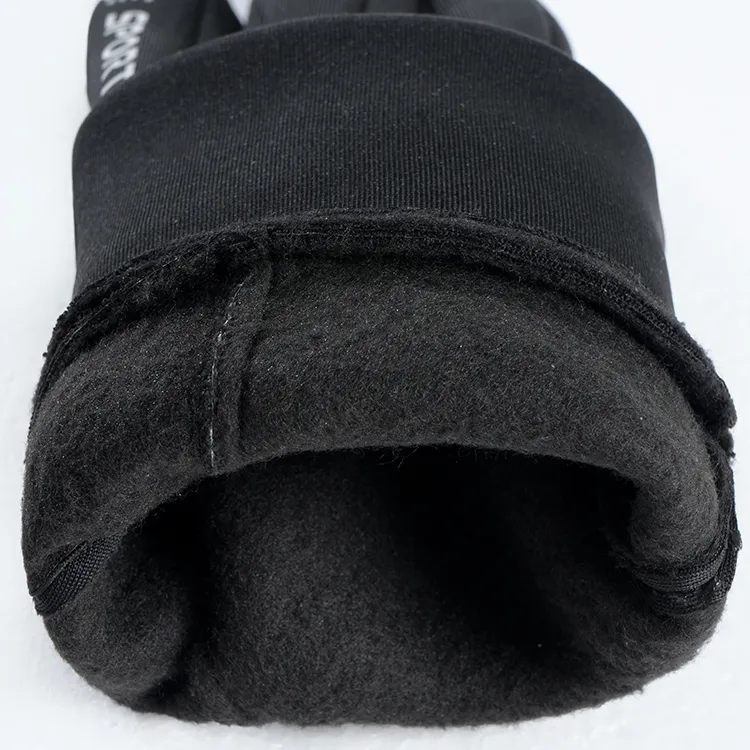
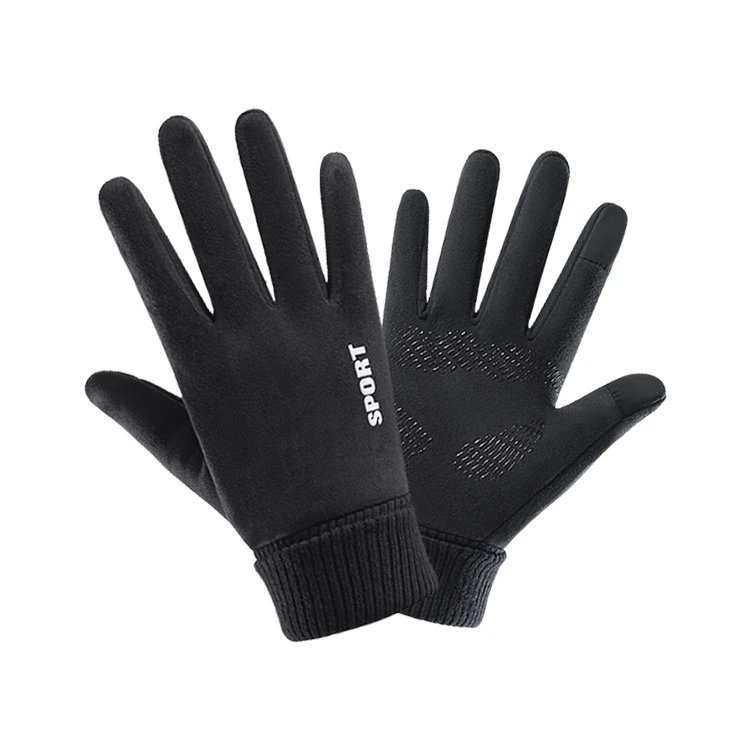


warm gloves with grip
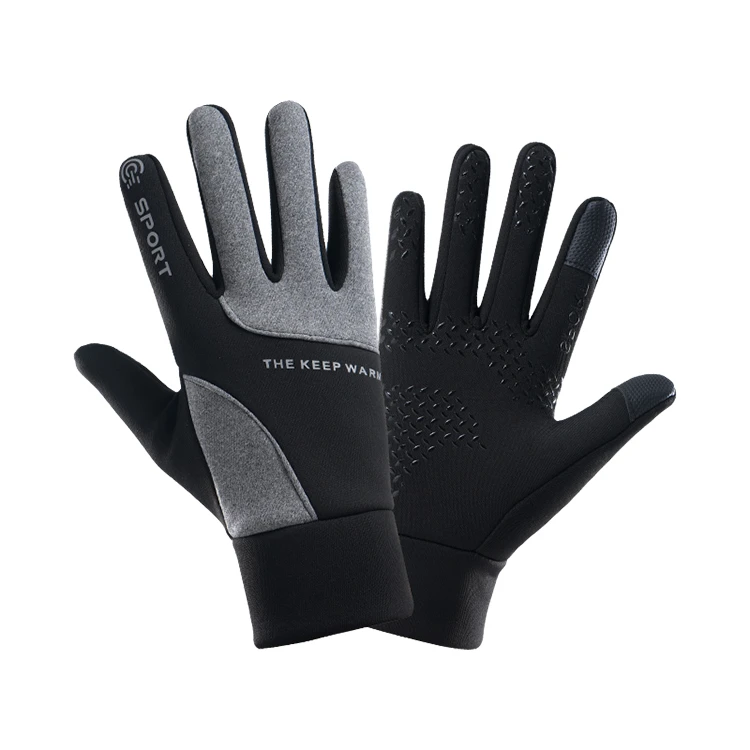
/Thermal grip gloves have become an indispensable tool for anyone who works in conditions where both insulation from cold and a firm grip are paramount. Unlike traditional gloves, which may sacrifice function for warmth, these specialized gloves are designed to offer a seamless blend of thermal protection and enhanced grip. As someone who has extensively explored the market and tested numerous products, I can affirm that not all thermal grip gloves are created equal. Below is a comprehensive insight into the benefits, features, and considerations when selecting the best thermal grip gloves. Thermal grip gloves often incorporate advanced materials designed specifically to retain heat while providing flexibility and movement . The exterior is typically crafted from textured, non-slip materials like nylon or latex, which resemble the microstructure of a reptilian scale, giving users that lizard-like grip even in wet or oily conditions. Inside, manufacturers commonly use materials such as Thinsulate, fleece, or an acrylic waffle liner, each bringing unique thermal qualities. Thinsulate, for instance, is known for providing high warmth-to-thickness ratio, making it ideal for scenarios where dexterity cannot be compromised. One cannot overlook the importance of breathability. When gloves are too insulated without allowing heat to escape, sweat accumulation leads to discomfort and reduced grip effectiveness. Recent innovations in glove design address this with micro-ventilation technologies, balancing warmth with moisture management. Experts suggest opting for gloves that include breathable membranes which cater to these elements, therefore increasing usability over extended periods. Durability is another critical factor when selecting thermal grip gloves. Those engaged in rigorous activities will find the lifespan of their gloves significantly diminished unless they choose products constructed with reinforced stitching and wear-resistant exterior coatings. Premium gloves often feature reinforced fingertips and double-stitched seams, particularly in high-stress areas, offering extended life and reduced frequency of wear and tear. thermal grip gloves In professional settings such as construction or mechanical work, where cold, hazardous materials, or sharp objects might pose risks, thermal grip gloves must meet certain compliance standards. Always look for certifications such as CE (Conformité Européene) marking, indicating conformity with European health, safety, and environmental protection standards, or ANSI (American National Standards Institute) ratings in the US, which ensure the level of cut resistance and abrasion resistance. A key testament to understanding the utility of thermal grip gloves comes from real-world experience. For instance, during my field tests of various brands, I found that the MCR Safety Ninja Ice FC gloves provided superior grip and comfort during sub-zero conditions without the bulk that often accompanies heavily insulated gloves. These gloves stood out for their combination of HPT (Hydropellent Technology) coating and an acrylic terry liner, sustaining flexibility and tactile strength even in freezing temperatures. Finally, consider the environmental impact when buying thermal grip gloves. Recent market trends show an increasing number of manufacturers shifting towards more sustainable practices by using recycled materials and environmentally friendly manufacturing processes. Eco-conscious consumers should search for brands committed to sustainability, ensuring their purchase contributes positively to environmental preservation. In conclusion, choosing the right thermal grip gloves requires a balance of multiple factors thermal insulation, grip performance, breathability, durability, compliance with safety standards, and environmental impact. As someone who has evaluated and used multiple glove types under various conditions, it is clear that the best choice will not only safeguard hands from the elements but also enhance performance in demanding environments, ultimately delivering both functional and economic value. Selecting a well-engineered pair from a reputable manufacturer with proven expertise can make a significant difference in both everyday comfort and productivity.
quality and competitive market prices.
-
Glove Sample Creation

 Glove Sample CreationCreate glove samples based on customers' designs and specifications, ensuring counter samples are completed and approved for production.
 -
Custom Branded Accessories Development

 Custom Branded Accessories DevelopmentSupport customers in sourcing and designing accessories and packaging with their private brand for a customized touch.
 -
Private Label Glove Production

 Private Label Glove ProductionManufacture gloves following approved samples with branded accessories, ensuring timely delivery of high-quality products.
 -
Quality Control and Testing

 Quality Control and TestingConduct thorough quality checks and testing throughout the production process to ensure gloves meet all customer requirements and industry standards before delivery.
Whether for work or sports, these gloves exceeded my expectations. Highly recommend to anyone looking for reliable hand protection!"